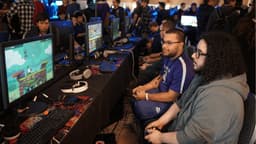
Video Game Coaching
Coach gamers to improve their skills for a fee.
About Video Game Coaching
Competitive gaming has exploded, and players at all skill levels invest money to improve. If you're highly skilled at popular games—League of Legends, Valorant, Fortnite, Chess, or others—you can coach players who want to climb ranks, compete seriously, or simply get better at something they enjoy.
For digital nomads, game coaching happens entirely online. Sessions run through Discord, in-game spectating, or video calls reviewing recorded gameplay. Your schedule is flexible, clients are global, and your "office" is wherever you have your gaming setup and reliable internet. Many coaches work with students across time zones, offering sessions during various hours.
What It Takes to Coach
You need two things: skill and teaching ability.
Skill requirements:
- Top 5-10% rank in your game (minimum)
- Deep understanding of game mechanics, meta, strategy
- Ability to articulate what you do instinctively
- Current knowledge (games change constantly)
Teaching requirements:
- Patience with struggling players
- Ability to identify specific improvement areas
- Breaking complex concepts into actionable steps
- Positive, encouraging communication style
Being great at a game doesn't automatically make you a good coach. The best coaches are often not the highest-ranked players—they're players who can teach effectively.
Income Expectations
| Credential Level | Hourly Rate | Sessions/Week | Monthly Income |
|---|---|---|---|
| New coach, good rank | $15-25 | 10-15 | $600-1,500 |
| Established coach | $30-50 | 15-20 | $1,800-4,000 |
| Former pro/top streamer | $75-150+ | 10-15 | $3,000-9,000+ |
Most coaches supplement with content creation, courses, or other work. Pure coaching income requires consistent session volume.
Coaching Session Structure
Typical session formats:
VOD review (reviewing recorded gameplay):
- Student records their games
- You analyze and provide feedback
- More flexible scheduling
- Good for identifying patterns
Live coaching (spectating or co-playing):
- Real-time feedback during games
- Immediate application of advice
- Requires scheduling coordination
- More engaging for students
Combo sessions:
- Start with VOD review
- Apply lessons in live games
- Most effective for improvement
Standard sessions run 1-2 hours. Many coaches offer packages (5 sessions, 10 sessions) for better rates and commitment.
Finding Clients
Coaching platforms:
| Platform | Games | Commission | Notes |
|---|---|---|---|
| Metafy | Many | 20% | Growing platform, good UI |
| Gamer Sensei | Popular titles | 20% | Established, good traffic |
| ProGuides | League, Valorant, etc. | Varies | Course + coaching model |
| Fiverr | Any | 20% | DIY listing, variable quality |
Direct client acquisition:
- Build presence in game-specific Discord servers
- Create educational content (YouTube, TikTok)
- Stream on Twitch with educational focus
- Reddit communities (r/[game]coaching)
- Word of mouth from satisfied students
Content creation is the best long-term client acquisition strategy. One viral coaching clip can generate months of clients.
Building Credibility
Students need to trust your expertise:
Proof of skill:
- Current high rank (screenshot, tracker link)
- Tournament results or notable achievements
- Coaching track record (testimonials, student improvements)
- Recognizable name in the community
Demonstrating teaching ability:
- Free educational content (YouTube videos, guides)
- Student testimonials with specific improvements
- Sample coaching clips
- Clear articulation of your coaching approach
Track your students' progress and testimonials in Notion. Store educational content and coaching materials in Google Drive.
Games Worth Coaching
Not all games have coaching markets. Best opportunities:
Large coaching markets:
- League of Legends (huge player base, complex)
- Valorant (growing competitive scene)
- Chess (timeless, always in demand)
- Fortnite (young audience willing to pay)
- Counter-Strike (established competitive scene)
Emerging opportunities:
- Fighting games (technical depth)
- Battle royales
- Card games (Hearthstone, MTG Arena)
- Sports games (FIFA, Madden for competitive)
Game popularity matters. Niche games have fewer students—you might be the only coach, but the market is tiny.
Scaling Beyond Hourly Sessions
Pure coaching is time-for-money. Ways to scale:
Online courses: Create comprehensive training programs. Sell access repeatedly without additional time.
Group coaching: Teach 3-5 students at once. Same hourly rate, more revenue per session.
Content creation: Build audience through educational content. Monetize through ads, sponsorships, and course sales.
Coaching programs: Structured multi-week programs with materials, community access, and limited live sessions.
Most successful game coaches combine teaching with content creation.
Coaching While Traveling
Game coaching travels reasonably well:
What you need:
- Laptop capable of running coaching software
- Stable internet for voice/video
- Headset with decent microphone
- Quiet space for sessions
What you don't need:
- Low-latency internet (you're not competing)
- Gaming-spec laptop (unless demonstrating)
- Fixed schedule (sessions are flexible)
Coaching is easier to travel with than competitive gaming. You can coach from an Airbnb with decent WiFi—you can't compete at high levels with variable internet.
Is This Right for You?
Consider game coaching if you:
- Are highly skilled at competitive games
- Enjoy teaching and helping others improve
- Can articulate concepts clearly
- Have patience with struggling players
- Want flexible, gaming-related income
Consider alternatives if you:
- Aren't in the top 5-10% of players
- Get frustrated with slow learners
- Only want to play, not teach
- Don't enjoy one-on-one interaction
Related paths: Streaming on Twitch builds audience for coaching. Online tutoring uses similar teaching skills academically.
Getting started: Achieve high rank or notable credentials in your game. Create coaching profiles on platforms like Gamer Sensei, ProGuides, or Fiverr. Stream your gameplay to build audience and credibility. Offer introductory sessions at lower rates to build testimonials. Create educational content demonstrating your teaching ability. Consider specializing in specific aspects (mechanics, strategy, mental game) to differentiate.
Business Models
Frequently Asked Questions
How good do you need to be to coach video games?
For most games, top 5-10% rank is minimum (Diamond+ in League of Legends, Immortal+ in Valorant, etc.). Competitive experience or notable achievements help significantly. You don't need to be pro, but you need to be demonstrably better than your students.
How much can you charge for game coaching?
Rates range from $15-30/hour for new coaches to $50-100+/hour for top-ranked or former pro players. Popular games with larger markets support higher rates. Average working coaches earn $25-50/hour.
How do I find game coaching clients?
Platforms like Gamer Sensei, Metafy, and ProGuides connect coaches with students. Fiverr works for some games. Streaming and content creation build credibility and audience. Direct outreach in Discord communities and subreddits also works.
Can you coach games while traveling as a digital nomad?
Yes, but you need: stable internet (for screen sharing/voice), gaming setup you can travel with, and consistent availability for sessions. Coaching is easier to travel with than competitive gaming since you're not dependent on low latency.
Difficulty Level
Easy 😁
Level of Passivity
Active With Passive Options
How to Monetize
- Paid Per Hour
- Paid Per Project
- Membership