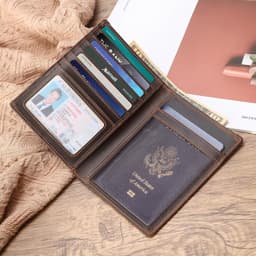
Passport Wallet
A secure, RFID-blocking wallet designed for passports, cards, and travel documents. Essential for organized, safe travel.
What is a Passport Wallet?
A passport wallet is a specialized travel organizer designed to hold your passport, cards, cash, and essential documents in one secure place. Unlike regular wallets, passport wallets are built for international travel with features like RFID blocking and dedicated passport slots.
For digital nomads, a passport wallet is not just organization. It is a backup system. When your primary wallet is lost or stolen, everything you need to continue traveling remains safe.
Why Every Nomad Needs a Passport Wallet
The Backup Principle
Experienced travelers never keep all valuables in one place. A passport wallet creates redundancy:
- Primary wallet lost? Passport wallet has backup cards and cash.
- Bag stolen? Passport wallet in your pocket keeps you moving.
- Pickpocketed? Your passport and emergency funds remain secure.
This simple separation can mean the difference between a minor inconvenience and a trip-ending disaster.
Document Organization
Border crossings and airport security require quick access to documents. A passport wallet keeps everything together:
- Passport always in the same slot
- Boarding passes in the front pocket
- Vaccination cards or travel permits ready
- No fumbling through bags under pressure
RFID Protection
Modern passports and credit cards contain RFID chips that can be read wirelessly. While skimming attacks are uncommon, they do happen in tourist-heavy areas. RFID-blocking material prevents unauthorized scanning of your cards and passport chip.
What to Keep in Your Passport Wallet
Essential Items
| Item | Purpose |
|---|---|
| Passport | Primary identification |
| Backup credit card | Different network than primary |
| Backup debit card | ATM access if primary lost |
| Emergency cash | $200-300 in USD or Euros |
| Spare SIM card | Connectivity backup |
| Document copies | Passport photo page, insurance |
Optional Additions
- Vaccination records or health certificates
- Spare passport photos for visa applications
- AirTag or Tile tracker
- Hotel loyalty cards
- Small pen for immigration forms
Choosing the Right Passport Wallet
Material Options
Leather: Durable, ages well, looks professional. Heavier and more expensive.
Synthetic: Lightweight, water-resistant, affordable. May look less refined.
Hybrid: Leather exterior with synthetic lining offers the best of both.
Size Considerations
Passport wallets range from slim cardholders to full travel organizers. For daily carry, choose something that fits comfortably in a front pocket. Larger options work better for dedicated travel days when you keep it in a bag.
Key Features to Look For
- RFID blocking: Verify it covers both cards and passport
- Quality zippers or closures: Prevent items falling out
- Multiple card slots: At least 4-6 for flexibility
- Cash compartment: Separate from card slots
- SIM card holder: Small slot for spare SIMs
- AirTag pocket: Increasingly common in newer models
Popular Passport Wallet Styles
Slim Bifold
Holds passport, 4-6 cards, and minimal cash. Best for everyday carry and quick airport access. Fits in front jeans pocket.
Tri-fold Organizer
More capacity with sections for passport, cards, cash, coins, and documents. Better for travel days when you need everything accessible.
Neck Wallet
Worn under clothing for maximum security. Less convenient but ideal for high-risk areas or crowded transit.
Belt Wallet
Hidden under waistband. Extremely secure but uncomfortable for long periods.
How to Use Your Passport Wallet
Before Each Trip
- Check that backup cards are valid and not expired
- Update emergency cash if needed
- Verify AirTag battery if using one
- Confirm document copies are current
During Travel
Keep your passport wallet separate from your primary wallet:
- Primary wallet in front pocket for daily purchases
- Passport wallet in inside jacket pocket, hotel safe, or hidden pocket
- Never put both in the same bag
At Borders and Airports
Transfer your passport wallet to an easily accessible pocket before reaching security or immigration. Return it to a secure location once through.
Passport Wallet vs. Money Belt
| Feature | Passport Wallet | Money Belt |
|---|---|---|
| Accessibility | Easy | Requires lifting shirt |
| Comfort | High | Can be uncomfortable |
| Security | Good | Excellent |
| Capacity | Moderate | Limited |
| Daily use | Practical | Inconvenient |
| Best for | Most situations | High-risk areas |
Most nomads prefer passport wallets for convenience. Money belts are better for specific high-risk situations like crowded markets or overnight buses.
Common Mistakes to Avoid
Overstuffing: A bulky passport wallet is uncomfortable and draws attention. Keep only essentials.
Forgetting to update: Check expiration dates on backup cards and refresh emergency cash periodically.
Same location as primary wallet: The whole point is separation. Keep them apart.
Cheap RFID blocking: Some budget wallets claim RFID protection but fail testing. Buy from reputable brands.
Recommended Brands
Quality passport wallets that nomads trust include:
- Bellroy (premium leather, excellent organization)
- Pacsafe (security-focused with RFID and slash-proof)
- Travelambo (budget-friendly with good features)
- Nomatic (modern design, AirTag compatible)
Expect to spend $25-50 for a quality wallet that lasts years.
The Bottom Line
A passport wallet costs less than a single night in most hotels but provides security that could save your entire trip. It is one of those small investments that seems unnecessary until the moment you need it.
Get a quality passport wallet, set it up with backup cards and emergency cash, and keep it separate from your daily wallet. This simple system has saved countless travelers from disaster when things go wrong.
Your future self, standing at a foreign ATM with a working backup card, will thank you.
Pros
- Keeps all travel documents organized in one place
- RFID blocking protects against electronic theft
- Splits valuables to reduce loss impact
- Some models include AirTag compartments
- Slim enough for front pocket carry
Cons
- One more item to keep track of
- Quality varies significantly by brand
- May be bulky if overstuffed
- Not all are truly RFID-proof
Category
Frequently Asked Questions
Why do I need a separate passport wallet?
Does RFID blocking actually matter?
What should I keep in a passport wallet?
Can I fit an AirTag in a passport wallet?
Pricing
$20-50
Key Features
- Holds passport plus multiple cards
- RFID-blocking material prevents skimming
- Dedicated slots for SIM cards
- Some models fit AirTags
- Slim profile for daily carry
- Durable leather or synthetic options
Available Regions
Global

