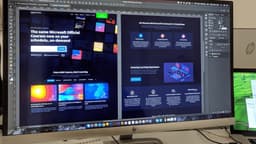
Web Design
Design websites for clients using templates or no-code tools.
About Web Design
Every business needs a website, but most owners lack the design skills or time to create something professional. Web designers bridge this gap—creating beautiful, functional websites that represent brands effectively and convert visitors into customers.
For digital nomads, web design is quintessential laptop work. Client meetings happen over Zoom, design work happens in Figma or directly in website builders, and deliverables are entirely digital. You can design a website for a restaurant in Chicago while sitting in a cafe in Lisbon. The work travels perfectly.
Income Expectations
Web design project rates by complexity:
| Project Type | Price Range |
|---|---|
| Landing page | $500-1,500 |
| Simple brochure site (5-7 pages) | $1,500-3,000 |
| Business website with blog | $2,500-5,000 |
| Custom design, more pages | $5,000-10,000 |
| E-commerce setup | $3,000-8,000 |
| Complex custom projects | $10,000-25,000+ |
Monthly income examples:
- 2 simple sites/month at $2,000 = $4,000
- 1 larger project + maintenance clients = $5,000-8,000
Many designers add recurring revenue through maintenance packages ($100-300/month per client).
Platform Options
Choose a platform to specialize in:
| Platform | Learning Curve | Best For | Control |
|---|---|---|---|
| Webflow | Medium | Custom designs, agencies | High |
| Squarespace | Low | Quick, clean sites | Medium |
| WordPress | Medium | Client self-editing, plugins | Medium-High |
| Wix | Low | Simple sites, beginners | Low-Medium |
| Framer | Medium | Interactive, animated designs | High |
Recommendation: Webflow offers the best balance of design control and professional results. WordPress has the largest market share. Squarespace is fastest for simple sites.
Specialize in one platform deeply rather than knowing many superficially.
No-Code Web Design Workflow
Modern web design often requires no coding:
- Discovery: Understand client business, goals, brand
- Content gathering: Collect text, images, branding assets
- Wireframing: Plan layout and structure (Figma)
- Design: Create in your platform of choice
- Client review: Gather feedback, make revisions
- Launch: Go live, handle technical setup
- Handoff: Train client on editing (if applicable)
Track projects and client communication in Notion. Store design assets and brand materials in Google Drive.
Finding Clients
Starting out:
- Upwork for building portfolio and reviews
- Fiverr for smaller projects
- Local business outreach
- Personal network referrals
Specialization marketing: Instead of "web designer," position as:
- "Webflow designer for coaches and consultants"
- "Squarespace specialist for restaurants"
- "WordPress developer for e-commerce"
- "Web designer for wellness brands"
Specialists attract better clients and command higher rates.
Long-term client sources:
- Referrals from satisfied clients
- Partner with complementary services (photographers, copywriters)
- Content marketing (blog, YouTube about web design)
- Local business networking
- Design websites for marketing agencies like Strivian Digital who need clean client sites
Managing Client Projects
The biggest challenges in web design aren't design—they're project management:
Scope creep prevention:
- Clear contracts defining included revisions
- Change order process for additions
- Upfront content requirements
- Defined project phases
Communication:
- Regular check-ins at milestones
- Recorded video walkthroughs
- Clear decision points
- Response time expectations
Content problems: Content delays are the #1 project killer. Solutions:
- Require content upfront before starting
- Provide content templates
- Offer copywriting as add-on service
- Set deadlines with consequences
Recurring Revenue
One-time projects create income gaps. Add recurring revenue:
Maintenance packages ($100-300/month):
- Platform updates and backups
- Small content edits (limited hours)
- Security monitoring
- Monthly check-ins
Hosting management ($25-50/month):
- You manage hosting relationship
- Handle technical issues
- Mark up hosting slightly
Ongoing design services:
- Monthly design retainers
- Social media graphics
- Email templates
- Landing pages as needed
5-10 maintenance clients at $150/month = $750-1,500 recurring.
Design Skills Development
Web design requires visual skills beyond the platform:
Core skills:
- Layout and composition
- Typography (font pairing, hierarchy)
- Color theory
- White space usage
- Visual hierarchy
Technical knowledge:
- Responsive design principles
- Basic UX patterns
- SEO fundamentals
- Page speed considerations
Tools to learn:
- Figma (design and prototyping)
- Your chosen platform (Webflow, WordPress, etc.)
- Basic image editing (Photoshop or Canva)
Is This Right for You?
Consider web design if you:
- Have visual design sensibility
- Enjoy solving client business problems
- Can manage client relationships and expectations
- Want recurring revenue potential
- Appreciate visible, tangible deliverables
Consider alternatives if you:
- Don't enjoy client feedback cycles
- Prefer building your own things
- Want purely passive income
- Dislike visual/aesthetic work
Related paths: Web development adds coding for more complex projects. Graphic design focuses on brand and print. Building and selling websites removes client work entirely.
Getting started: Learn design fundamentals and master a platform—Webflow and WordPress are popular choices. Build a portfolio with personal projects or discounted work. Study websites in niches you want to serve. Find clients through freelance platforms, local business networking, or referrals. Specialize in specific industries (restaurants, coaches, e-commerce) to develop expertise and targeted marketing.
Business Models
Frequently Asked Questions
Do I need to know how to code to do web design?
No. Modern no-code platforms (Webflow, Squarespace, WordPress with builders) enable professional designs without coding. However, basic HTML/CSS knowledge helps with customization and troubleshooting. Many successful web designers use no-code tools exclusively.
How much do freelance web designers charge?
Simple sites: $1,000-2,500. Business/portfolio sites: $2,500-5,000. Custom designs with more pages: $5,000-15,000+. Hourly rates range from $50-150/hour. Location, experience, and niche specialty affect rates significantly.
Which platform should I learn for web design?
Webflow offers most design control and professional results. Squarespace is easier for quick, clean sites. WordPress has the largest market share. Choose based on your target clients—many designers specialize in one platform.
How do I find web design clients?
Local business networking, Upwork/freelance platforms, referrals from past clients, specializing in specific industries (restaurants, coaches, real estate). Once established, referrals become primary source.
Difficulty Level
Somewhat Difficult 😕
Level of Passivity
Active With Passive Options
How to Monetize
- Paid Per Hour
- Paid Per Project
- Per Sale