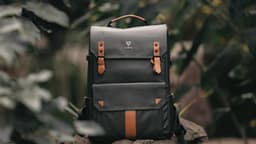
Videography
Film and edit video content for events, brands, or individuals.
About Videography
Businesses and individuals need professional video content for marketing, social media, events, and brand storytelling. Videographers capture and edit this footage—creating everything from corporate testimonials and product demos to wedding films and promotional content.
For digital nomads, videography presents interesting opportunities despite requiring physical presence for shoots. Many videographers travel specifically for projects—destination weddings, travel content, brand shoots in beautiful locations. Others focus on remote editing and creative direction, partnering with local camera operators wherever projects arise. Some build location-independent practices shooting content while traveling, serving brands who want authentic travel visuals.
Equipment Investment
Videography requires significant gear investment:
Entry-level setup ($2,000-4,000):
- Mirrorless camera (Sony a6400, Fuji X-S10)
- Kit lens + one prime lens
- Basic audio (Rode VideoMic)
- Simple stabilizer or tripod
- Memory cards, batteries
Professional setup ($8,000-15,000+):
- Full-frame camera (Sony a7IV, Canon R6)
- Multiple lenses (wide, standard, telephoto)
- Professional audio (wireless lavs, shotgun)
- Gimbal stabilizer
- Lighting kit
- Drone (if applicable)
- Editing laptop
Smartphone videography (iPhone Pro series) can work for certain content—social media, casual content—with significantly lower investment.
Income by Project Type
| Project Type | Typical Rate | Complexity |
|---|---|---|
| Social media clips (per video) | $150-500 | Low |
| Event coverage (per day) | $500-1,500 | Medium |
| Corporate interview/testimonial | $800-2,500 | Medium |
| Product video | $500-2,000 | Medium |
| Brand campaign video | $2,000-10,000+ | High |
| Wedding film | $2,000-8,000+ | High |
| Documentary/mini-doc | $3,000-15,000+ | High |
Most videographers specialize in 1-2 project types rather than doing everything.
Nomad-Friendly Videography Models
Traditional videography requires local presence. Nomad adaptations:
Destination weddings/events: Travel for shoots. Higher rates, less frequency. Build reputation in luxury/travel wedding market.
Travel content for brands: Hotels, tourism boards, travel brands need authentic content. Your travel becomes the value proposition.
Remote direction + local shooters: You plan, direct, and edit. Hire local camera operators for shooting. Scales across locations.
Long-stay shooting: Spend 1-3 months in locations, build local client base, then move. More traditional model, slower travel.
Stock footage: Shoot B-roll everywhere you travel. Sell through stock platforms. Passive income supplement.
Editing focus: Do only editing work, leaving shooting to others. Fully location-independent but loses the cinematography element.
Finding Clients
Local networking (traditional but effective):
- Business networking events
- Wedding vendor communities
- Real estate agents (property videos)
- Restaurants and hospitality
Online platforms:
- Upwork for corporate and editing work
- Wedding directories (The Knot, WeddingWire)
- Instagram (portfolio + DMs)
- Direct outreach to businesses
Specialization marketing:
- "Travel brand videographer"
- "SaaS product video specialist"
- "Destination wedding filmmaker"
Specialists attract specific clients more effectively than generalists.
The Shooting Process
Typical project workflow:
- Discovery call: Understand client goals, vision, logistics
- Pre-production: Shot list, location scout, schedule
- Production: Shoot day(s)
- Post-production: Edit, color, sound design
- Delivery and revisions: Client feedback, final cut
Use Notion to manage project details, shot lists, and client communication. Store footage and deliverables in Google Drive or dedicated cloud storage.
Traveling with Gear
Carrying video equipment while traveling presents challenges:
What you're carrying:
- Camera body (1-2 lbs)
- Lenses (2-5 lbs total)
- Gimbal (3-4 lbs)
- Audio gear (1-2 lbs)
- Lighting (if any, 3-5+ lbs)
- Editing laptop (4-6 lbs)
- Accessories, cables, batteries
Total: 15-25+ lbs of gear
Travel strategies:
- Carry-on essential gear, check less critical items
- Invest in compact, travel-friendly equipment
- Get proper insurance for equipment
- Rent heavy items locally when needed
Building Your Portfolio
Clients hire based on what they see:
Portfolio builders:
- Volunteer for events needing video coverage
- Create spec work for local businesses
- Shoot personal projects showcasing style
- Collaborate with other creatives
What to showcase:
- Range of work types
- Consistent quality and style
- Full projects, not just clips
- Behind-the-scenes of your process
Is This Right for You?
Consider videography if you:
- Enjoy hands-on creative work
- Can invest in equipment ($3,000-10,000+)
- Don't mind carrying heavy gear
- Travel slowly or stay in locations for extended periods
- Want travel to be part of your professional identity
Consider alternatives if you:
- Want completely location-independent work
- Can't invest in equipment
- Move frequently and travel light
- Prefer purely digital/laptop work
For more location-independent options: video editing removes the shooting requirement. Photography licensing is similar creative work with more flexibility.
Getting started: Master your camera and editing software. Build a portfolio with personal projects or discounted work for friends and local businesses. Develop a signature style that attracts specific clients. Network in communities where your target clients gather. Consider specializing in a niche where you can become the go-to expert. If you want location independence, explore remote editing, creative direction, or building a network of shooters you can coordinate with globally.
Business Models
Frequently Asked Questions
How much does it cost to start videography?
Basic setup: $2,000-3,000 (camera body, lens, audio, basic stabilization). Professional setup: $5,000-15,000+ (better camera, multiple lenses, lighting, professional audio, drone). You can start with less using smartphone videography for certain content types.
Can you be a videographer while being a digital nomad?
It's more challenging than pure laptop work. Options include: destination wedding/event videography, travel content for brands, remote editing with local shooters, or long-stay travel to build local client bases. True nomadic videography is possible but requires creative business models.
How much do videographers charge per project?
Rates vary widely by project type. Social media content: $200-500/video. Event coverage: $500-2,000/day. Corporate video: $1,000-5,000+. Wedding films: $2,000-10,000+. Brand campaigns: $3,000-20,000+. Experience and location significantly affect rates.
Do I need a degree to become a videographer?
No. Portfolio matters more than credentials. Many successful videographers are self-taught through YouTube tutorials, online courses, and practice. What matters is your work quality, not your education.
Difficulty Level
Easy 😁
Level of Passivity
Fully Active
How to Monetize
- Paid Per Hour
- Paid Per Project