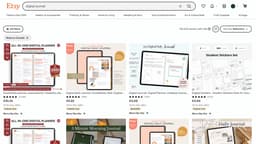
Sell Digital Products
Sell digital files like ebooks, templates, or designs online.
About Sell Digital Products
Digital products—templates, ebooks, courses, presets, fonts, printables, guides—can be sold infinitely without restocking, shipping, or manufacturing costs. Once created, they live on marketplaces or your own store, generating income while you sleep, travel, or work on your next product.
For digital nomads, selling digital products is the ultimate location-independent business model. Your inventory is weightless. Customer delivery is instant and automated. You can create products from a cafe in Portugal, sell them while hiking in New Zealand, and support customers from wherever you land next. The profit margins are exceptional because there's no cost of goods after creation.
Types of Digital Products
| Category | Examples | Typical Prices |
|---|---|---|
| Templates | Notion, spreadsheets, Canva, resumes | $10-75 |
| Design Assets | Fonts, icons, mockups, graphics | $15-100+ |
| Photography | Presets, stock photos, overlays | $10-50 |
| Educational | Ebooks, guides, courses, workshops | $20-500+ |
| Audio | Music, sound effects, samples | $10-200 |
| Software | Plugins, scripts, apps | $20-500+ |
The best products solve specific problems for specific people. A generic productivity template competes with thousands; a "Notion system for wedding photographers" serves a defined audience.
Creating Your First Product
Step 1: Identify Your Expertise What do you know how to do that others want to learn or replicate?
- Skills from your job
- Hobbies you've developed
- Problems you've solved
- Systems you've built
Step 2: Validate Demand
- Search for similar products (competition proves demand)
- Look at reviews (what's missing from existing products?)
- Ask communities if they'd buy your solution
- Create a basic version and see if anyone bites
Step 3: Create the Product
- Start simple—MVP over perfection
- Document your process as you build
- Get feedback from target customers
- Polish before launch
Step 4: Launch and Iterate
- Start on a marketplace for built-in traffic
- Collect feedback from early buyers
- Improve based on what you learn
- Create complementary products
Where to Sell
Marketplaces (Built-in Traffic):
- Gumroad - General digital products, creator-friendly
- Etsy - Templates, printables, crafty digital goods
- Creative Market - Design assets, fonts, graphics
- Udemy - Video courses (marketplace discovery)
Own Platform (Higher Margins):
- Shopify - Full e-commerce control
- Teachable/Thinkific - Courses specifically
- WooCommerce - WordPress-based store
Start on marketplaces to validate demand and build reviews. Move to your own platform once you can drive your own traffic.
Pricing Strategy
Don't race to the bottom. Premium pricing often converts better:
| Approach | Psychology | Best For |
|---|---|---|
| Low price ($5-15) | Impulse buy, low barrier | Simple templates, first products |
| Mid price ($25-75) | Considered purchase, perceived quality | Comprehensive templates, asset packs |
| Premium ($100+) | High perceived value, serious buyers | Courses, software, premium systems |
Many successful sellers charge more than competitors by positioning as the premium option with better design, support, and results.
Marketing Your Products
Products don't sell themselves. Expect marketing to be ongoing work:
SEO:
- Marketplace SEO (titles, tags, descriptions)
- Pinterest for visual products
- Blog content driving to products
Social Media:
- Share value, not just promotions
- Show products in use
- Build in public (share creation process)
Email:
- Build a list from day one
- Launch announcements
- Exclusive discounts for subscribers
Partnerships:
- Bundle with complementary products
- Affiliate programs
- Creator collaborations
Realistic Income Expectations
| Stage | Monthly Revenue |
|---|---|
| First product (months 1-6) | $0-500 |
| Established (1-2 years, multiple products) | $500-3,000 |
| Full-time focus (2+ years) | $3,000-10,000+ |
| Top creators | $10,000-50,000+ |
Most sellers plateau with a handful of products generating $1,000-3,000 monthly. Breaking through requires consistent marketing, audience building, or hitting the right product at the right time.
The Reality Check
Digital products are often sold as "passive income," but the reality:
What's passive:
- Delivery and payment processing
- Existing product sales (once ranked)
What's not passive:
- Creating products
- Marketing continuously
- Customer support
- Updating products
- Building audience
The business is less active than services, but still requires consistent effort—especially marketing.
What This Pairs Well With
Digital products complement creating online courses for higher-ticket offerings. Website themes and templates are a specialized version with strong potential. Bundling digital products from multiple creators can leverage existing products.
Sell through Gumroad or build a community around your products on Patreon. Use Notion to organize your product roadmap and Google Drive for file management.
Getting started: Identify skills or knowledge you have that others want. Research what's selling on digital product marketplaces. Create one high-quality product rather than many mediocre ones. Launch on an established marketplace for built-in traffic, then consider your own store for better margins. Collect customer feedback and iterate. Let successful products inspire your next creations.
Business Models
Frequently Asked Questions
What digital products sell best?
Products that save time or solve specific problems: Notion templates, spreadsheets, design assets (fonts, icons, mockups), Lightroom presets, resume templates, ebooks solving niche problems, Canva templates, and educational courses. The more specific the problem solved, the better they tend to convert.
How do I price digital products?
Price based on value delivered, not time spent creating. Simple templates: $5-25. Comprehensive template packs: $25-99. Courses and detailed guides: $50-500+. Research competitors, but don't underprice—premium pricing often converts better because it signals quality.
What platforms should I sell on?
Start on marketplaces with built-in traffic: Gumroad (general), Etsy (templates, printables), Creative Market (design assets), Udemy (courses). Move to your own site (Shopify, WooCommerce) once you have audience. Marketplaces take 10-30% but provide discovery; own store keeps more profit but requires your own traffic.
How long until I see sales?
Varies wildly. Some products sell within days on marketplaces; others take months to gain traction. Building an audience before launching dramatically accelerates results. Expect 3-6 months of consistent effort before judging whether a product strategy is working.
Difficulty Level
Somewhat Difficult 😕
Level of Passivity
Mostly Passive After Set-Up
How to Monetize
- Per Sale
- Licensing Income