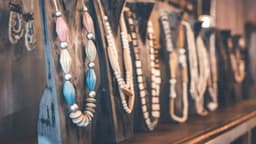
Launch a Jewelry eCommerce Store
Start a business selling handmade or sourced jewelry.
About Launch a Jewelry eCommerce Store
Selling Jewelry Online
Jewelry is one of the oldest and most popular handmade product categories. People want unique, meaningful pieces that stand out from mass-produced accessories. If you have creative skills or an eye for curation, jewelry offers a viable nomad-friendly business.
The products are small, lightweight, and valuable relative to size—making them perfect for shipping worldwide. But the market is crowded, and success requires differentiation.
Business Models
Handmade Jewelry
You create the pieces yourself:
- Wire wrapping
- Beading
- Metal smithing
- Polymer clay
- Resin work
Pros: Higher margins, uniqueness, creative satisfaction Cons: Limited by your production capacity, requires tools
Sourced/Curated
You source from wholesalers or artisans:
- Wholesale suppliers
- Artisan partnerships
- Import from production countries
- Dropship relationships
Pros: Scalable, less labor-intensive Cons: Lower margins, less differentiation
Hybrid Approach
Many successful sellers combine:
- Signature handmade pieces (high margin, unique)
- Curated wholesale (volume, lower margins)
Finding Your Niche
The jewelry market is huge—you can't compete broadly. Successful sellers focus:
By Style
- Minimalist/dainty
- Bohemian
- Gothic/alternative
- Vintage-inspired
- Maximalist/statement
By Material
- Sterling silver
- Gold-filled
- Gemstones
- Sustainable materials
- Specific stones (moonstone, turquoise)
By Occasion
- Bridal and wedding
- Everyday wear
- Festival/event jewelry
- Meaningful/symbolic pieces
By Audience
- Professionals wanting subtle elegance
- Festival-goers wanting bold pieces
- Brides and wedding parties
- Spiritual/healing crystal community
Setting Up Shop
Platform Options
| Platform | Pros | Cons |
|---|---|---|
| Etsy | Built-in traffic, jewelry-friendly | Fees, competition |
| Shopify | Full control, professional | Need to drive all traffic |
| Visual platform, direct sales | Algorithm dependent | |
| Your website | Best margins, full branding | Requires marketing effort |
Many sellers use multiple platforms—Etsy for discovery, own website for repeat customers.
Pricing Your Jewelry
Cost-plus formula:
- Materials cost
- Labor (pay yourself!)
- Packaging
- Platform fees
- Shipping materials
Typical markup: 2-4x materials for handmade
Example:
- Materials: $8
- Labor (30 min at $20/hr): $10
- Packaging: $2
- Total cost: $20
- Retail price: $45-60
Photography Essentials
Jewelry photography is notoriously difficult. Key considerations:
Equipment
- Macro lens or clip-on for phone
- Lightbox or natural light setup
- White and styled backgrounds
- Jewelry stands/displays
- Editing software
Shot Types Needed
| Type | Purpose |
|---|---|
| Product on white | Clean listing image |
| Lifestyle shots | Show scale, context |
| Detail shots | Highlight craftsmanship |
| Worn shots | Help customers visualize |
Common Mistakes
- Poor lighting creating shadows
- Blurry detail shots
- Inaccurate color representation
- No sense of scale
- Reflections and glare
Marketing Jewelry
Instagram and Pinterest
Visual platforms are essential for jewelry:
- Consistent aesthetic
- Mix of product and lifestyle content
- Behind-the-scenes creation
- Customer photos (with permission)
SEO for Discovery
Optimize listings with:
- Descriptive titles with keywords
- Detailed descriptions
- Relevant tags
- Alt text on images
Email Marketing
Build a customer list:
- New collection announcements
- Exclusive offers
- Behind-the-scenes content
- Customer stories
Nomadic Jewelry Business
If You Make Jewelry
Challenges:
- Tools and materials are bulky
- Need workspace for creation
- Inventory management while moving
Solutions:
- Have a home base for production
- Create in batches during stationary periods
- Ship inventory to yourself or fulfillment center
- Focus on small, simple pieces while traveling
If You Source Jewelry
Easier for nomads:
- Manage supplier relationships remotely
- Use fulfillment services
- Dropship when possible
Travel advantages:
- Source unique pieces while traveling
- Build artisan relationships
- Find materials unavailable elsewhere
Shipping Considerations
Packaging
Jewelry needs:
- Secure packaging (won't shift or tangle)
- Presentation quality
- Protection from damage
- Reasonable weight
Insurance
Consider shipping insurance for valuable pieces—jewelry losses are common due to small package sizes.
International
Customs declarations required. Be aware of:
- Precious metal regulations
- Import duties for customers
- Accurate value declarations
Common Challenges
Competition
Jewelry is saturated. Stand out through:
- Unique style or technique
- Strong brand identity
- Excellent photography
- Customer experience
Returns
Jewelry has issues:
- Sizing problems
- Color looks different in person
- Allergic reactions
Clear policies and accurate descriptions reduce returns.
Seasonality
Jewelry sales spike during:
- November-December (holidays)
- February (Valentine's Day)
- May (Mother's Day, graduations)
Plan inventory and marketing accordingly.
Who Should Start a Jewelry Business?
This works if you:
- Have creative skills or curatorial eye
- Enjoy the jewelry aesthetic
- Can commit to photography quality
- Handle inventory logistics
- Have patience for slow growth
It's not right if you:
- Need immediate income
- Don't enjoy the creative process
- Can't manage physical inventory
- Expect purely passive income
- Aren't interested in visual marketing
The Bottom Line
Jewelry can be a beautiful nomad business—small products, global market, creative satisfaction. But it's competitive and requires real commitment to photography, branding, and customer experience.
Start with a focused niche. Perfect your photography. Build a recognizable style. The sellers who succeed treat it as a craft and a business simultaneously.
Your unique perspective and travel experiences can inspire designs no one else creates. Let your journey inform your jewelry.
Business Models
Frequently Asked Questions
Can I run a jewelry business while traveling?
Yes, with planning. Many sellers make jewelry during slower periods and ship from a home base. Others work with fulfillment centers or ship directly from suppliers. The key is inventory management—you can't make jewelry in transit without tools and materials.
Handmade vs. sourced jewelry—which is better?
Handmade offers higher margins and uniqueness but limits scale. Sourced/wholesale jewelry scales easier but faces more competition. Many successful sellers combine both—core handmade pieces plus curated wholesale items.
How important is photography for jewelry?
Extremely important. Jewelry photography is one of the hardest product categories—reflections, small details, and accurate color are challenging. Bad photos kill sales. Invest time learning jewelry photography or budget for professional shots.
How much does it cost to start?
Minimal if you make your own: $100-500 for basic materials and tools. Sourcing wholesale requires $500-2,000+ initial inventory. Add $50-200 for website/Etsy fees, packaging, and photography setup.
Difficulty Level
Easy 😁
Level of Passivity
Active With Passive Options
How to Monetize
- Per Sale